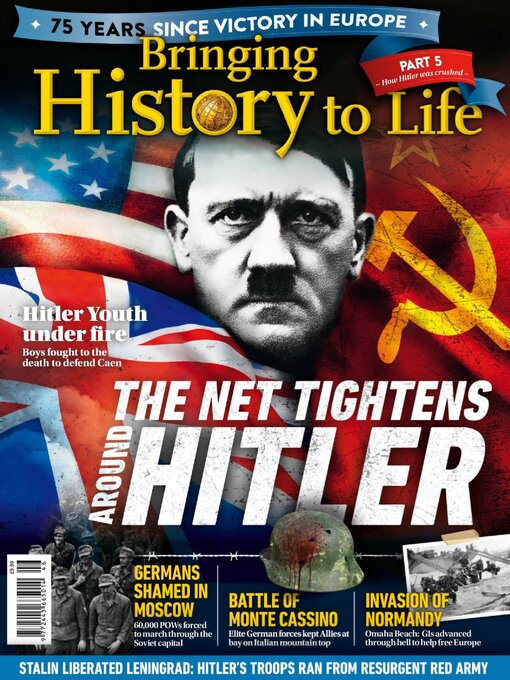
 The Net Tightens around Hitler - Part 5
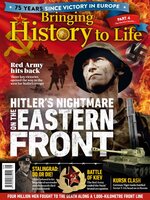 Hitler’s Nightmare on the Eastern Front - Part 4
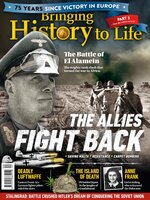 The allies fight back - Part 3
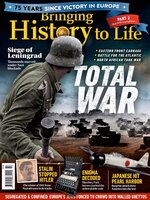 Total war - Part 2
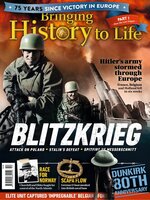 Blitzkrieg - Part 1
 Mission Impossible - 18 operations that changed the war
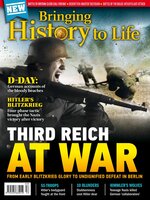 Third Reich at war - From early blitzkrieg glory to undignified defeat in Berlin
 Eastern Front - The battles of 1941-1945
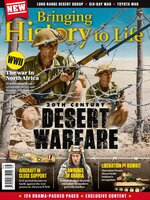 Desert Warfare
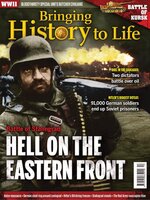 Hell on the Eastern Front
 Planes! - Air combat in World War II
 World War II’s Forgotten battles
 The Battle of Britain
 Hidden Heroes of War Elite soldiers
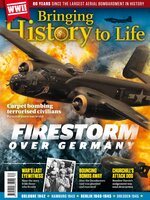 Air War over Germany
 The Artic Convoys
 Incredible Weapons
 U-Boat Hunters in the Atlantic
 WW2's Darkest Crimes
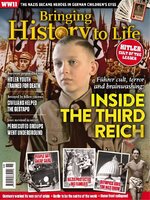 Inside the Third Reich
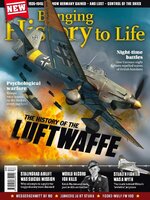 Luftwaffe
 The Third Reich - prepared for war
 Nazi Mysteries
 Historys Greatest tank Battle
In 1933, Adolf Hitler seizes power in Germany, where he has seduced the population with golden promises of a restoration of the Great German Empire. He allies himself with Mussolini's fascist Italy, Stalin's communist Soviet Union and the military dictatorship in Japan, which has the same dreams of grandeur as Germany. In this series, you get a thorough review of World War II - from the birth of fascism through the war's many dramas to the aftermath, where the victors deal with the war's worst criminals.
» Hitler’s soldiers are driven west
1944 January-April
1944 May-June
1944 June
GERMANS ENTRENCHED ON MOUNTAINTOP • A single ridge blocked the Allied armies’ route to Rome. The battle for the mountain, with its beautiful old monastery, became a repeat of the hell of World War I’s trenches. The front barely moved for four months – even after an Allied commander chose to bomb a strategic, but highly controversial, target.
STALIN LIBERATED LENINGRAD • For almost two and a half years, the Germans held Leningrad in an iron ring to starve the city into surrender. But in January 1944, the Red Army planned an attack that would finally break the German siege. Following the most powerful bombardment of World War II, the Soviet forces stormed forward.
CHILDREN AT WAR • The world war changed children’s lives, whether they were caught up in the middle of the horrors or lived in relative safety far from the front. American children may not have experienced bombings or had their country invaded, but many lost their fathers and were given new duties at home.
PRISONERS DUG TO FREEDOM • Life in a German POW camp was a tedious business with little to do except dream of escape. The camps were well guarded, but the inmates of Stalag Luft III were ready to take a chance. Unfortunately, a single miscalculation would have fatal consequences.
PORTABLE HARBOURS MADE D-DAY A SUCCESS • Before D-Day, engineers, concrete workers, blacksmiths, nurses, and cooks worked hard to provide vehicles, fuel, healthcare, and enough food for the Allied soldiers in France. The landing of huge numbers of vehicles required the development of mobile harbour facilities, while secret pipelines at the bottom of the Channel supplied oil and petrol.
SABOTAGE CAUSED CHAOS IN FRANCE • Explosions sounded across France. It was the night before D-Day and bridges, railway lines, power plants, and telephone exchanges were being destroyed. By morning, more than a thousand acts of sabotage had been carried out. Trains were paralysed, telephone lines down, and power cut. The French Resistance had created just enough chaos among the Germans for the Allied invasion to succeed.
HELL AWAITED US SOLDIERS ON OMAHA BEACH • History’s largest armada set sail from the south coast of England. Its aim was to invade Normandy and wrest Western Europe from Hitler’s grip. But the Germans stood ready behind a deadly defence on the cliffs above Omaha Beach. The price of victory would be high.
HITLER YOUTH’S BAPTISM OF FIRE • On D-Day, 16,000 boys in a special SS division were deployed in Normandy to defend the strategic city of Caen. The Allied forces were ordered to capture the city immediately after the landings, but the young SS soldiers took up the fight and slowed the attackers’ progress for 33 days.
PHOTOGRAPHERS ON THE FRONT LINE • As soldiers advanced across battlefields, brave photographers followed on their heels. Along with war correspondents, they helped to create reports of heroism and horror for newspapers back home. But censorship was rife, and the war captured by lenses was often made to serve propaganda goals.
LONDON HIT BY TERROR • With the V-1 bomb, Adolf Hitler believed he had a weapon that could turn the war around. The missile targeted the English capital, which endured a...